
Walk & Talk Therapy with Elisha
Healing Through Movement, Nature, and Connection
Have you ever noticed how much easier it feels to think clearly after a walk? Or how spending time outside can help you feel calmer, more grounded, and more connected to yourself?
Walk-and-talk therapy is a form of counselling that combines traditional therapy with the benefits of movement and time spent in nature. Rather than meeting in an office, we meet outdoors and walk side-by-side while engaging in the therapeutic process. While the approach may feel simple, research continues to demonstrate the powerful impact that movement and natural environments can have on both our mental and physical well-being.
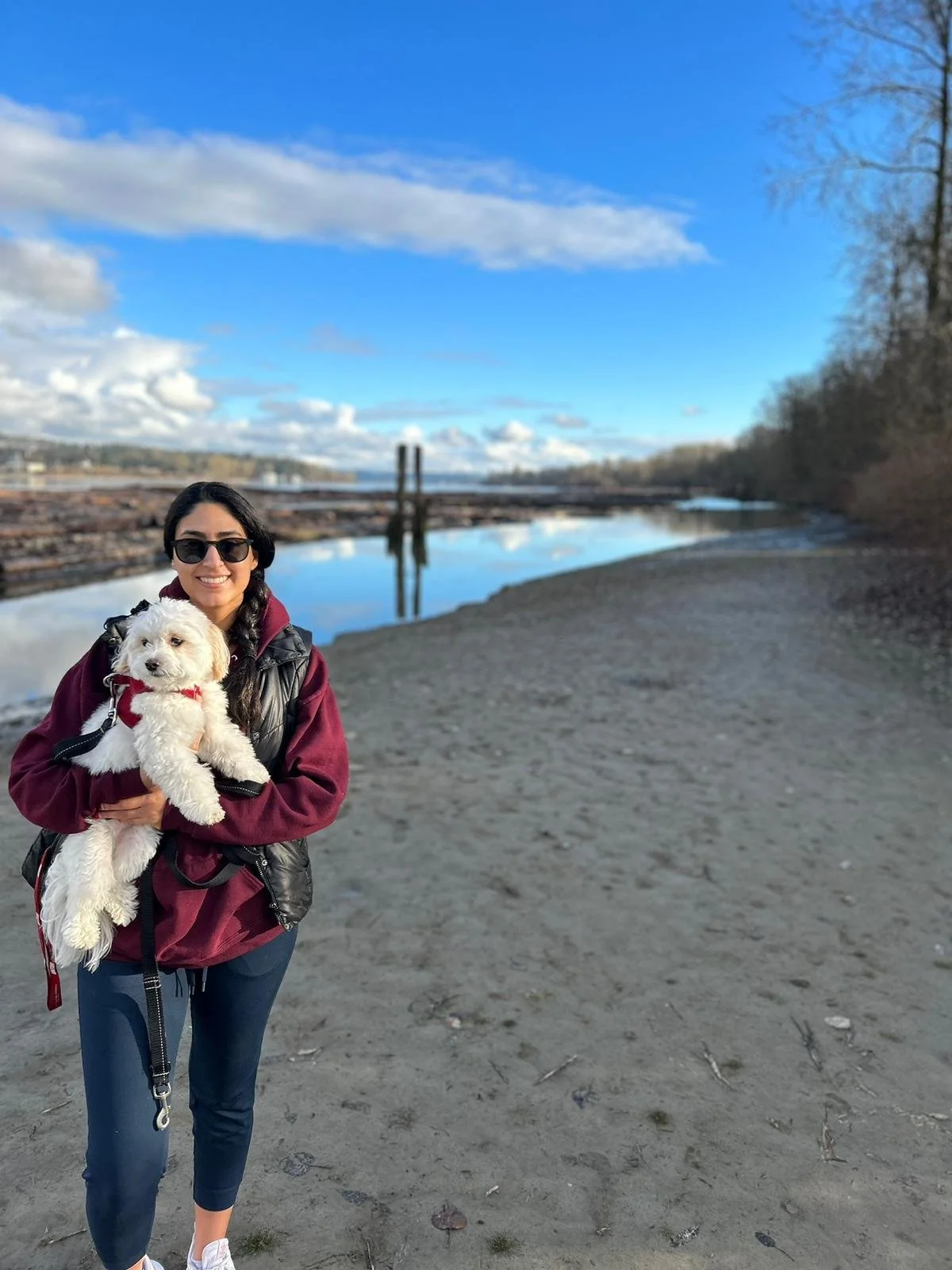
My Connection to Nature - out for a walk with my dog
Nature has always been an important part of my own wellness routine. Whether I am gardening, walking a local trail, spending time near the ocean, or simply noticing the changing seasons, I have found that being outdoors helps me slow down, reconnect with myself, and regulate my nervous system.
Like many people, I sometimes find that life's demands can bring me to a state of busyness, overwhelm, or disconnection. When that happens, nature is often ons of the first places I turn. The sounds of the birds, the movement of water, the feeling of sun on my skin, and the rhythm of walking all help me feel more grounded and present. Nature engages our senses in a gentle and restorative way, allowing us to step outside of our heads and connect with our bodies.
This personal experience is one of the reasons that I became passionate about offering walk-and-talk therapy. Over the years, research has increasingly confirmed what many of us intuitively feel: spending time in natural environments can have a meaningful impact on mental health, emotional well-being, and nervous system regulation.
What Does the Research Say?
Research demonstrates that spending time in nature can support both mental and physical health.
Studies have found that spending as little as one hour walking in nature can significantly reduce self-reported stress and anxiety while increasing feelings of connection, grounding, and overall well-being.
Research has shown that time spent in natural environments can:
- Reduce symptoms of anxiety and depression
- Lower cortisol (the body's primary stress hormone)
- Decrease blood pressure and physiological stress responses
- Improve mood and emotion regulation
- Increase feelings of calm and relaxation
- Improve attention, concentration, and cognitive functioning
- Reduce feelings of loneliness and isolation
- Support resilience and overall psychological well-being
In addition to mental health benefits, spending time in nature has been linked to reduced inflammation, improved cardiovascular health, healthier body weights, and stronger overall physical health.
As research in ecotherapy continues to grow, some healthcare professionals are increasingly introducing nature-based interventions as evidence-informed supports for concerns such as stress, anxiety, depression, grief, trauma, and burnout.
Why Walk & Talk Therapy?
While traditional office-based counselling can be incredibly effective, some clients find that walking outdoors creates a different therapeutic experience.
Walking side-by-side can feel less formal and less intimidating than sitting face-to-face in an office. For many people, movement helps thoughts flow more naturally and can make it easier to discuss difficult emotions or experiences.
The combination of movement, fresh air, and natural surroundings can also create opportunities for greater self-reflection, mindfulness, and nervous system regulation.
Walk-and-talk therapy can be very helpful for those who feel restless, stuck, overwhelmed, or disconnected. It can also provide a meaningful alternative for those who simply feel more comfortable outdoors.
Benefits for Anxiety
Many of the individuals I work with experience anxiety, stress or chronic overwhelm.
When our nervous system is activated, it can become difficult to think clearly, process emotions, or access coping skills. Walking in nature can help support the body's natural stress response by encouraging movement, grounding through senses, and reducing physiological arousal.
Clients often report feeling calmer, more present, and less overwhelmed after spending time outdoors. Nature also offers many opportunities to practice mindfulness and grounding skills in real time, helping clients build tools they can continue using outside of therapy.
Benefits for ADHD
Walk-and-talk therapy can be especially beneficial for individuals with ADHD.
Research suggests that exposure to natural environments may support attention concentration, and emotional regulation. For many individuals with ADHD, movement can increase focus and engagement, making it easier to participate in therapy.
Rather than sitting still for an extended period of time, clients have the opportunity to move their bodies while processing thoughts and emotions. The outdoor environment can also feel less restrictive and more stimulating than a traditional office setting.
Benefits for Youth and Teens
As someone who works extensively with youth and teens, I have found that many young people feel more comfortable opening up when they are engaged in an activity rather than sitting across from an adult in an office.
Walking side-by-side can reduce pressure, create a more relaxed atmosphere, and make conversations feel more natural. Being outdoors also provides opportunities for movement, sensory regulation, and breaks from screens and other daily stressors.
For many youth, walk-and-talk therapy feels less like "going to therapy" and more like having a supportive conversation in a comfortable environment.
Is Walk & Talk Therapy Right for Everyone?
While walk-and-talk therapy can be a wonderful fit for many people, it is not the best option for everyone.
Together we will discuss whether this approach aligns with your goals, comfort level, physical abilities, and therapeutic needs. Safety, confidentiality, accessibility, and client preference are always important considerations when determining whether outdoor sessions are appropriate.
For this reason walk-and-talk therapy is typically offered after we have had the opportunity to meet and determine whether it is a good fit for your care and support.
Reconnecting with Yourself Through Nature
Walk-and-talk therapy is not about replacing traditional counselling. It offers another way to engage in the therapeutic process that integrates movement, nature, mindfulness, and connection.
For many people, healing happens not only through conversation, but also through the experience of feeling grounded in their body and connected to the world around them. Whether we are walking through the trees, alongside the water, or through a local trail, therapy can become an opportunity to reconnect with both yourself and your environment.